Free BMI Calculator (Body Mass Index)
Use our free BMI calculator with US or metric units to find your Body Mass Index, see your category underweight, healthy, overweight or obese and your healthy weight range.
Enter your details
Your results
- Category
- Overweight
- Healthy weight range
- 118.1 159 lbs
- Your weight
- 160 lbs
A BMI of 25.1 is classified as overweight for adults. BMI is one snapshot body composition, age, and muscle mass also matter.
How to use this calculator
- 1Choose US Units (default) or Metric Units at the top of the calculator card.
- 2Enter your weight and height the result updates instantly.
- 3Review your BMI category and the healthy weight range for your height.
What is BMI?
Body Mass Index (BMI) is a simple screening number calculated from your height and weight. It estimates whether you are in a healthy weight range relative to your height and is widely used by clinicians, insurers, and public health agencies worldwide.
The formula in metric units is BMI = weight (kg) / height (m)². In US units it becomes BMI = 703 × weight (lb) / height (in)². Both produce the same value only the units differ.
BMI Categories for Adults
- •Below 18.5 Underweight
- •18.5 to 24.9 Healthy weight
- •25.0 to 29.9 Overweight
- •30.0 and above Obese
How to Read Your BMI Result
A healthy BMI is associated with the lowest risk of chronic disease for most adults. Falling outside the healthy range does not mean you are unhealthy it means your weight is a factor worth looking at alongside diet, activity, blood pressure, lab work, and waist circumference.
If your BMI is in the overweight or obese range, even a 5–10% weight loss can meaningfully reduce risk of type 2 diabetes, high blood pressure, and joint pain.
Limitations of BMI
BMI does not measure body fat directly. Athletes with high muscle mass can be classified as overweight, while older adults with low muscle mass can be classified as healthy when they actually carry too much body fat.
Use BMI as a starting point alongside other measurements like waist circumference, body fat percentage, blood pressure, and lab work.
Tips for a Healthier Weight
- •Prioritize protein at every meal (20–40 g) to preserve muscle and stay full.
- •Aim for 7,000–10,000 steps per day plus 2–3 strength sessions weekly.
- •Sleep 7–9 hours short sleep raises hunger hormones and cravings.
- •Drink water before meals and limit sugar-sweetened beverages.
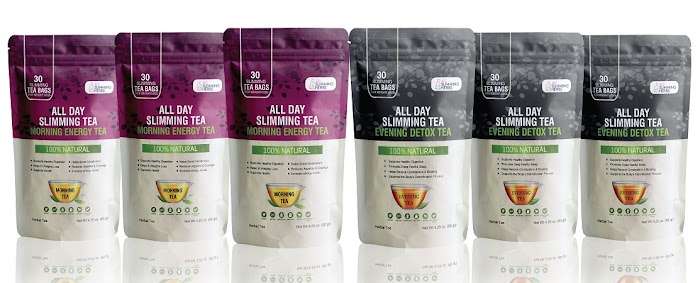
Pair Your Plan With a Daily Wellness Habit
Calculators set the target daily habits make it stick. Add a gentle herbal tea to your morning routine to support digestion, hydration, and a calmer wellness rhythm.
- Natural plant-based ingredients
- Supports digestion & daily wellness
- Easy 1-minute add to your morning routine
Frequently Asked Questions
What is a healthy BMI?
A BMI between 18.5 and 24.9 is classified as a healthy weight for most adults.
Is BMI accurate for athletes?
BMI does not separate fat from muscle, so very muscular athletes can score in the overweight range without health risks.
Is BMI different for men and women?
No the same BMI ranges apply to adult men and women.
What BMI range is considered overweight?
A BMI of 25.0–29.9 is classified as overweight; 30.0+ is classified as obese.
How is BMI calculated in pounds and inches?
BMI = 703 × weight (lb) ÷ height (in)². For example, 160 lb at 67 in gives BMI = 703 × 160 / 67² ≈ 25.1.
Should children use this calculator?
No children and teens use BMI-for-age percentile charts, not adult BMI categories.
Related Calculators
Estimate the daily calories you need to maintain, lose, or gain weight.
Find your Total Daily Energy Expenditure calories burned across a full day.
Estimate a healthy target weight using multiple medical formulas.
Estimate body fat percentage using the U.S. Navy circumference method.