Daily Protein Intake Calculator
Calculate your optimal daily protein based on body weight and goal fat loss, maintenance, or muscle gain. US units default.
Enter your details
Your results
- Recommended target
- 95 g/day
- Calories from protein
- 381 kcal
- Range (g/kg)
- 1.2 1.6 g/kg
Spread protein across 3–5 meals of 20–40 g each for best muscle protein synthesis.
Why Protein Matters
Protein builds and repairs every tissue in your body, supports immune function, and is the most satiating macronutrient meaning it keeps you full longer than carbs or fat.
Higher protein intakes consistently outperform standard intakes for body composition, satiety, and muscle preservation during dieting.
Protein for Weight Loss
When you eat in a calorie deficit, your body can break down muscle for energy. Adequate protein (about 0.8–1.0 g per pound of body weight) plus resistance training prevents muscle loss and keeps metabolism humming.
Protein for Muscle Gain
Muscle building requires both a slight calorie surplus and 0.7–1.0 g/lb of protein. More than that offers no additional muscle benefit for most lifters.
Best High-Protein Foods
- •Greek yogurt 17 g per cup.
- •Chicken breast 31 g per 3.5 oz.
- •Eggs 6 g each.
- •Cottage cheese 25 g per cup.
- •Lentils 18 g per cup cooked.
- •Whey or pea protein 20–25 g per scoop.
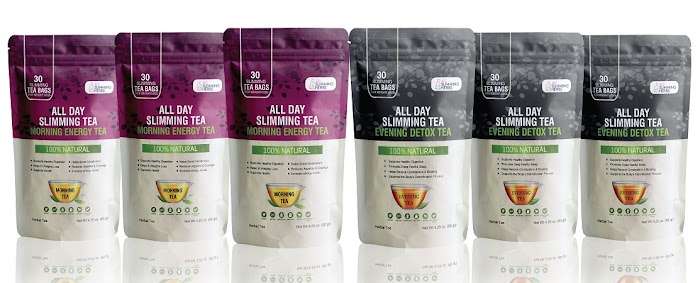
Pair Your Plan With a Daily Wellness Habit
Calculators set the target daily habits make it stick. Add a gentle herbal tea to your morning routine to support digestion, hydration, and a calmer wellness rhythm.
- Natural plant-based ingredients
- Supports digestion & daily wellness
- Easy 1-minute add to your morning routine
Frequently Asked Questions
How much protein do I need to lose weight?
About 0.8–1.0 g per pound of body weight. A 150 lb adult should target roughly 120–150 g/day.
How much protein should women eat?
Women benefit from the same per-pound targets as men typically 100–150 g/day for active adults.
Is 100 grams of protein enough?
For sedentary adults under ~150 lb, yes. Active adults and lifters usually benefit from more closer to 130–180 g/day.
Can too much protein be bad?
Not for healthy adults. Studies up to 1.4 g per pound show no harm. Those with diagnosed kidney disease should follow medical guidance.
Plant or animal protein which is better?
Both work. Plant eaters should aim 10–20% higher total intake to compensate for lower digestibility.
Related Calculators
Calculate your daily protein, carb, and fat targets.
Estimate the daily calories you need to maintain, lose, or gain weight.
Calculate your daily carb target.
Calculate your daily dietary fat target.