Blood Alcohol Concentration (BAC) Calculator
Estimate your blood alcohol concentration. This is for educational use only never use a BAC estimate to decide whether to drive.
Enter your details
1 US standard drink = 14 g alcohol (12 oz beer / 5 oz wine / 1.5 oz spirits).
Your results
- Status
- Over limit in many countries
BAC estimates are approximate. Never rely on a calculator to decide if you can legally drive if you've been drinking, don't drive.
What is BAC?
Blood alcohol concentration (BAC) is the percentage of alcohol in your bloodstream. A BAC of 0.08% is the legal driving limit in most U.S. states and many countries.
Many factors affect actual BAC including food intake, medications, hydration, and individual metabolism. This calculator gives a rough estimate only.
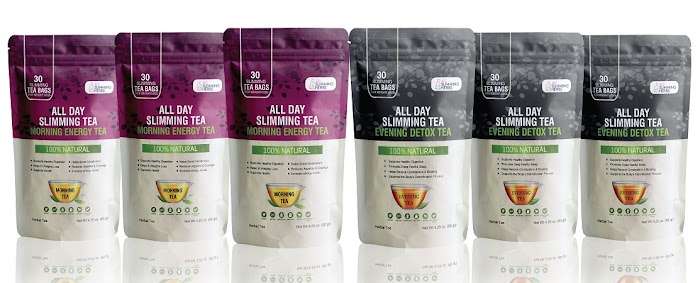
Pair Your Plan With a Daily Wellness Habit
Calculators set the target daily habits make it stick. Add a gentle herbal tea to your morning routine to support digestion, hydration, and a calmer wellness rhythm.
- Natural plant-based ingredients
- Supports digestion & daily wellness
- Easy 1-minute add to your morning routine
Frequently Asked Questions
How fast does alcohol leave the body?
About one standard drink per hour for most adults. There is no way to safely 'sober up' faster.
Who Uses This Calculator?
Adults who drink socially use this calculator to understand how alcohol affects their blood concentration. By entering drinks, body weight, and hours since the first drink, they see a rough estimate of impairment level. This helps people plan safer nights, pace consumption, and avoid risky decisions like driving after drinking. It does not replace a professional test, but it makes the relationship between drink quantity and impairment more visible.
College students and young adults use the tool to learn about alcohol safety and standard drink sizes. It translates beers, wines, and cocktails into a common measure of pure alcohol, which makes it easier to compare different drinks and track total intake. This supports smarter choices and harm reduction when drinking in social settings. It is especially valuable for people who are new to understanding how alcohol affects the body.
Health educators and counselors use the BAC calculator to explain the science behind impairment. Showing how weight, sex, and time change the result makes abstract concepts concrete for students or clients. It also reinforces the message that impairment begins well before the legal driving limit and that the only safe way to drive is sober, which helps shift attitudes toward safer drinking habits.
How to Interpret Your Results
- •If your BAC is below 0.02%, you are likely near baseline sobriety. Still, even small amounts of alcohol can slow reaction time, so use caution if you plan to drive or operate machinery.
- •If your BAC is between 0.02% and 0.05%, judgment and coordination begin to decline. Stop drinking, drink water, and wait before any activity that requires alertness.
- •If your BAC is 0.05% to 0.08%, you may be over the legal limit in many countries and definitely should not drive. Arrange a ride, taxi, or stay where you are.
- •If your BAC is at or above 0.08%, you are over the legal limit in most U.S. states. Do not drive, and seek a safe place to wait until fully sober.