One-Rep Max (1RM) Calculator
Estimate your one-rep max from any submaximal lift. Useful for programming percentages without grinding out true singles.
Enter your details
Your results
- Epley
- 215.8 lbs
- Brzycki
- 208.1 lbs
- Lombardi
- 217.3 lbs
- 85% (5-rep working set)
- 181.7 lbs
- 70% (10-rep working set)
- 149.6 lbs
Why Calculate Your 1RM?
Most strength programs use percentages of your 1RM. Testing a true 1RM is stressful and skill-dependent; estimating from a lighter rep range is safer and almost as accurate.
How to Get an Accurate Estimate
- •Use 3–6 reps to failure the formulas drift above 8 reps.
- •Rest 3–5 minutes before the test set.
- •Use compound lifts: squat, bench, deadlift, overhead press.
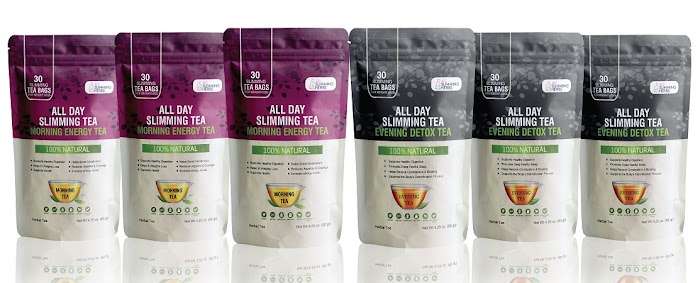
Pair Your Plan With a Daily Wellness Habit
Calculators set the target daily habits make it stick. Add a gentle herbal tea to your morning routine to support digestion, hydration, and a calmer wellness rhythm.
- Natural plant-based ingredients
- Supports digestion & daily wellness
- Easy 1-minute add to your morning routine
Frequently Asked Questions
How often should I test 1RM?
Every 8 to 12 weeks is plenty for most lifters.
Who Uses This Calculator?
Strength athletes and recreational lifters use one-rep max estimates to set training loads without grinding out heavy singles. Enter a weight you can safely lift for 3 to 6 reps, and the calculator returns an estimated maximum plus common percentage targets. This approach keeps workouts productive and predictable while reducing the injury risk that comes from frequent true max testing.
Personal trainers and online coaches use this tool to build client programs remotely. Instead of guessing a starting weight, they plug in a recent submaximal lift and derive percentages for strength, power, or hypertrophy blocks. This makes progress measurable and keeps sessions tailored to the client's current ability rather than forcing everyone into a generic template, which is especially useful for tracking progress over time.
Recreational gym-goers and home workout users use the calculator to make sense of their lifts. If a program calls for 75% of 1RM, you can estimate your max from a recent set and then load the bar accurately. This turns vague instructions into clear, repeatable numbers and helps you avoid underloading or overloading a movement, especially for compound lifts like squats and presses.
How to Interpret Your Results
- •If your estimated 1RM is close to a recent competition or gym personal best, use it as a working baseline. Re-test every 8 to 12 weeks to track progress.
- •If the three formulas disagree by more than 10%, your rep range was likely too high or technique was inconsistent. Re-test with 3 to 5 reps and good form.
- •If your calculated working weight for 5 reps feels too heavy, use the lower formula estimate or reduce by 5% until you can complete the set with clean reps.
- •If your estimated 1RM jumps noticeably, check that your recent test set was truly close to failure and that your rest, nutrition, and sleep were normal.